Asia's Most Influential HR & WorkTech Conference
Architecting Human + AI
Organisations

Conference Exhibition & Awards
18th March, Marina Bay Sands, Singapore
Workshops & Study Tours
19th March
People Matters TechHR Singapore 2027
The world of work in Southeast Asia is absorbing years of change in a short amount of time, and living through the long, uncertain transition it creates. With significant capital, technological infrastructure and a concentration of talent pioneering new work solutions, the economic impact of workforce decisions is becoming strikingly immediate, transparent and visible
At the centre of this transition is a simple but disruptive truth: AI isn't just removing work, it's forcing a reconstruction of it.
Work reconstruction, not just workforce reconstruction, is the key to organisational success in 2027
It is the year HR, through architecting work for humans and AI, becomes an active originator of enterprise value — not just an efficient steward of the people making work faster, better and safer.
At People Matters TechHR Singapore 2027 we invite HR and business leaders to move beyond simply enabling AI and architect a new world of work for humans and AI. This means rethinking how work gets done, how human capacity is unlocked, and how workforce decisions translate into business value.
This is a moment for HR and business leaders in Asia to take their next leap.
Attendees
HR & Work Tech Partners
Speakers
Learning Hours
Most Influential HR & WorkTech Expo

next big move with
immersive
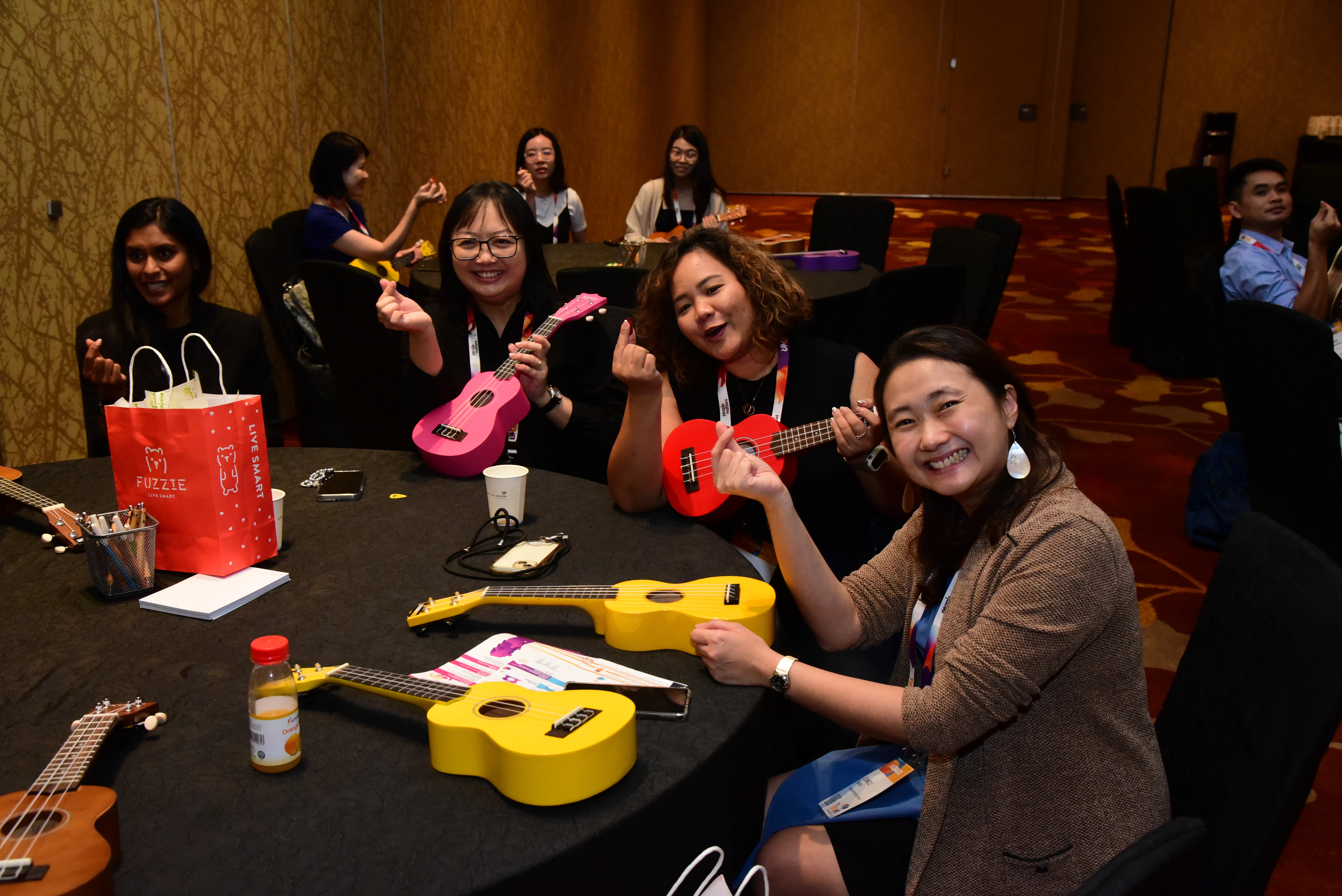
workshops

of change with
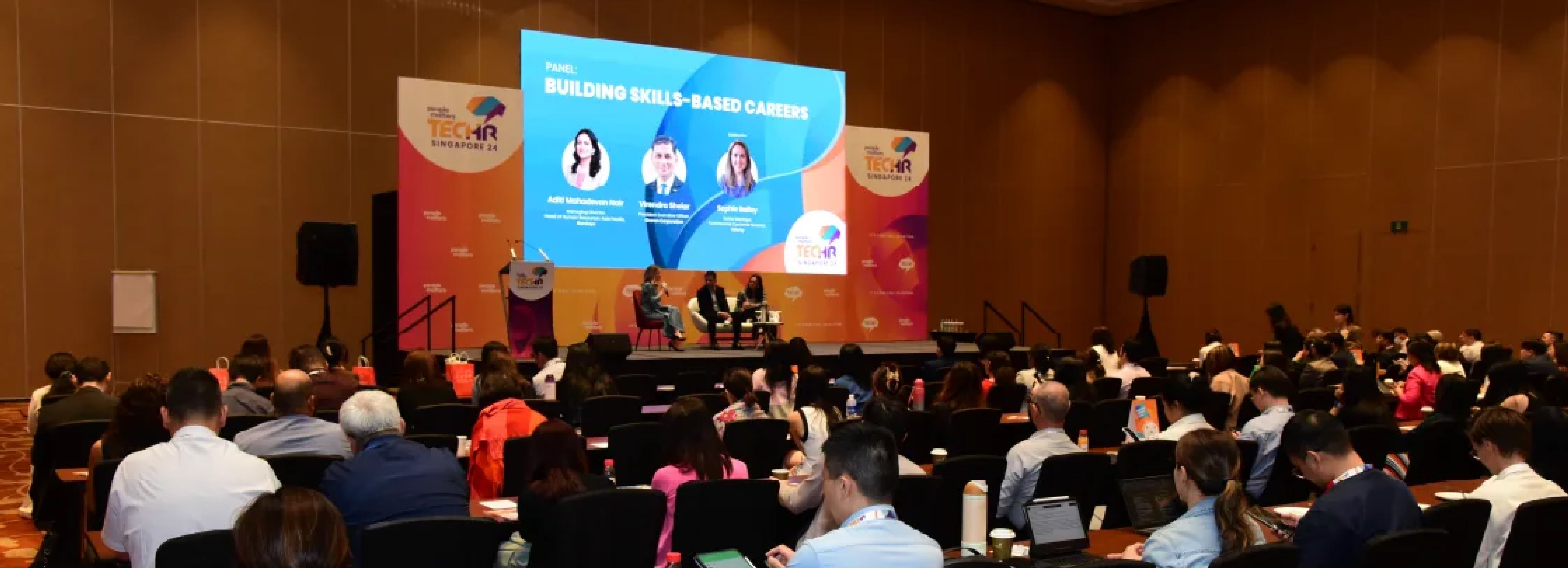
innovative learning
formats
transformation at
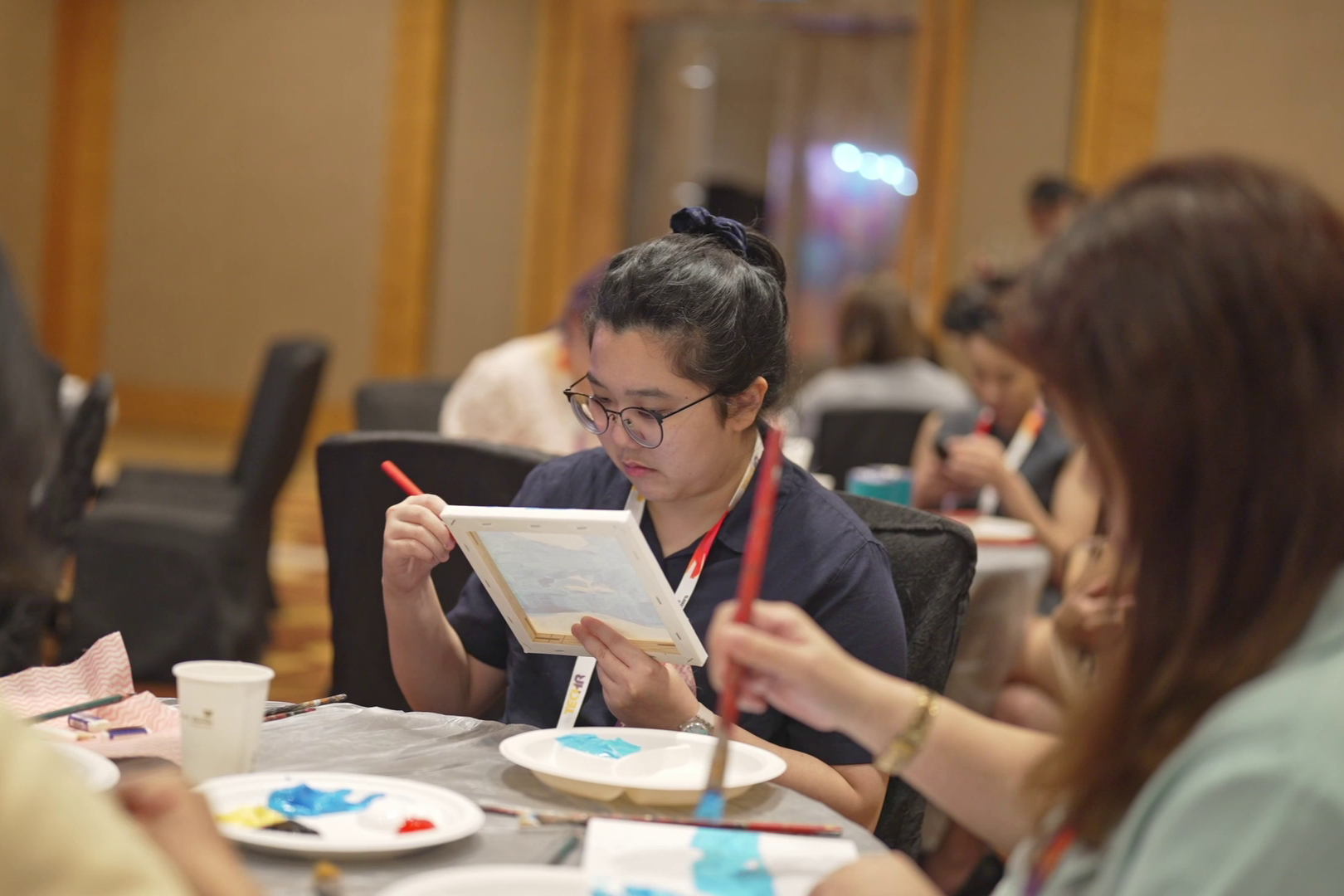
experiential
learning sessions
the Infini-T Awards SEA
honouring the finest inTalent, Tech, & Transformation.
are shaping future-ready
legacies through official
Study Tours

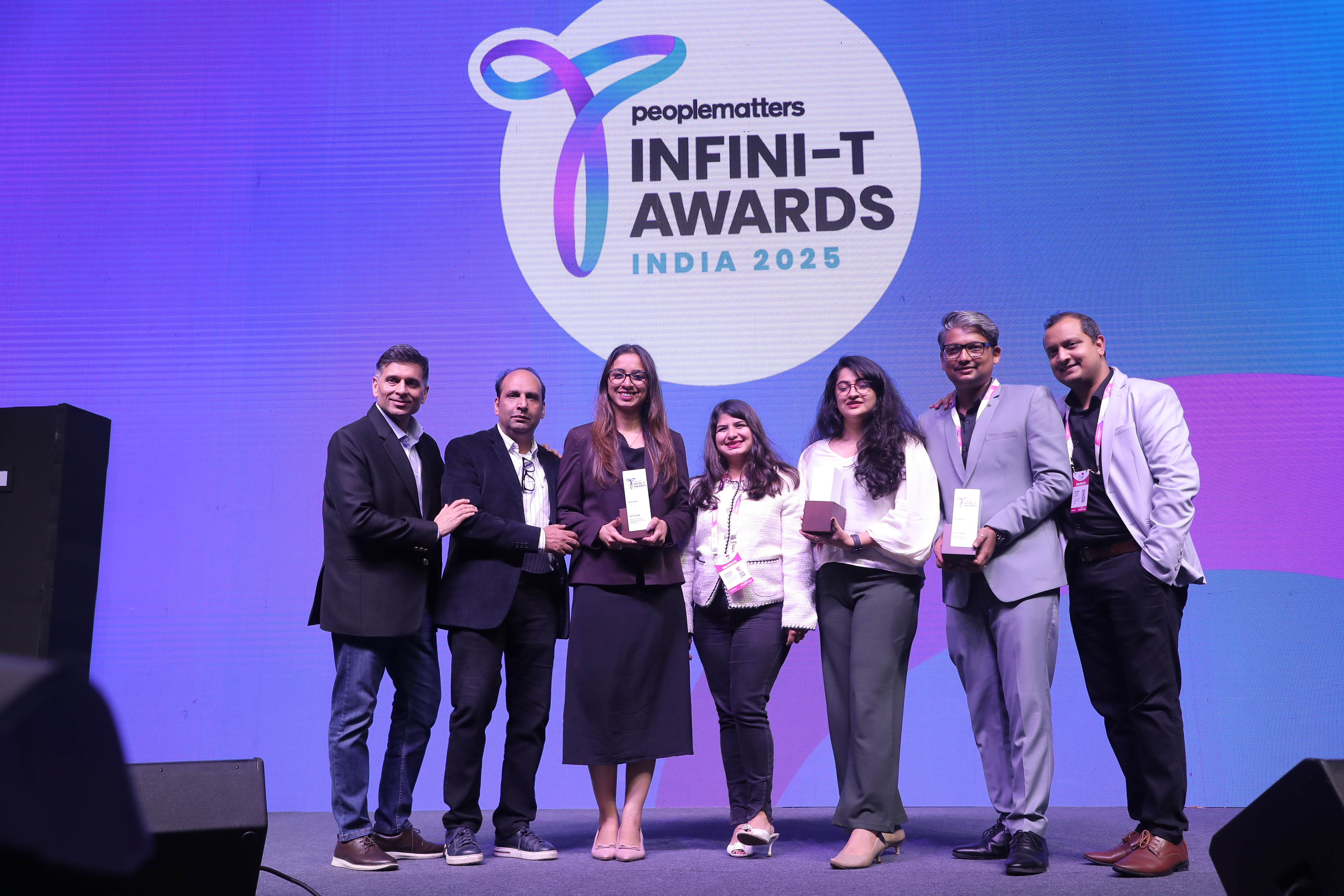
Awards SEA:Celebrating
excellence in Talent, Tech
& Transformation
AT TechHR SINGAPORE `27


The New Blueprint – Redesigning Work for the Human+AI Workforce
HR reconstructing how the organisation works — from workforce planning and org redesign to what gets automated, augmented or remains human-led, and how decision rights shift between humans and machines. This requires real-time data quality, reliable tech infrastructure and algorithmic skill-routing to make human+AI collaboration a measurable business reality, while ensuring the employee experience remains equitable, integrated and profoundly humane.
The sessions will answer the what and how of the new work and workforce operating system redesign, from foundational pillars to experience outcomes.
The Human Premium Organisations
Unique Differentiator
As AI absorbs execution, the premium shifts to higher-order work only humans can do — contextual judgment, trust-building, ethical tension-holding and meaning-making at work. This pillar explores what leadership, culture and human judgment look like when execution is automated or augmented, and how leaders can actively redeploy human intelligence toward higher-order work rather than simply relying on the time saved by AI.
The sessions will answer how to elevate organisations to think, feel and decide while working with AI, and what humans need to change to make new work, work.
The AI Governance Advantage – Trust & Accountability For Speed
Architecting human+AI organisations raises a critical question: can the new structure be trusted at scale? This pillar explores how governance, trust and accountability can accelerate AI adoption while ensuring clear ownership when AI influences who gets hired, promoted, paid, upskilled or let go. It examines how organisations can scale AI faster, better and safer by combining strong governance with human judgment and investment in people.
The sessions will answer the ethics of work in a new Human+AI structure to drive sustainable business value at speed.
The Value Mandate – Why Does HR Exist Now?
As AI absorbs execution, HR must move beyond being an efficient steward of people to becoming a direct source of business value through work redesign. This pillar explores how HR can drive value across talent acquisition, leadership development, compensation, culture, emerging skills and roles, and HR operating model reinvention. The focus shifts from measuring activity to quantifying HR’s direct impact on business performance and enterprise results.
The sessions will answer what business problem does HR uniquely solve and drive value from that no one else in the C-suite can.
Loading partners...
reconstructing work for what’s next
Send Enquiry
Partner Queries:
Nikhil Bhardwajpartners@techhrconference.com
Mobile: +65 9839 3512
Delegate Queries:
Sugam Sharmatechhr_delegates@gopeoplematters.com
Mobile: +91 9560715443 +65 9839 1902
For Speaker Enquiries:
Vinita Poddarvinita.poddar@gopeoplematters.com
Mobile: +91 9554799992